Not all Webflow agencies are suited for startups. Fit matters more than reputation.
Startup-ready Webflow agencies are comfortable with speed, iteration, and evolving messaging.
Marketing website experience is more important than product or dashboard design expertise.
Strong agencies focus on structure, clarity, and conversion, not just Webflow execution.
Webflow works best for startups when sites are built as flexible systems, not one-off launches.
Choosing an agency designed for enterprise too early often leads to friction and slowdowns.
The right Webflow partner should support growth after launch, not disappear once the site ships.
Startups should choose agencies that match their current stage, not an aspirational future one.
If you search for “best Webflow agencies,” you’ll find hundreds of options, and very little clarity. Enterprise studios, freelancers, and generalist dev shops are often grouped together, even though they solve very different problems. For startups, that lack of distinction makes shortlisting harder than it should be.
Early-stage teams need Webflow partners who can move fast, adapt as messaging changes, and build sites that support growth, not just launch day. That requires a specific kind of agency: one that’s Webflow-first, startup-tested, and comfortable working without rigid scopes or long delivery cycles.
This list focuses on Webflow agencies that consistently work with startups, ship quickly, and understand how early-stage companies evolve. Every agency on this list meets strict criteria around Webflow depth, startup experience, and practical delivery, so you can spend less time researching and more time choosing the right fit.
For some teams, understanding the wider context also helps sharpen the final decision. Our guide to the Best Webflow agencies explores how different agencies approach Webflow across a range of use cases, providing that broader perspective.
How We Selected These Webflow Agencies
This list was built around how startups actually use their websites not how agencies like to present their work. We focused on teams that regularly work with early-stage and growing companies, and understand the constraints that come with limited time, evolving products, and the need to show value quickly.
Rather than ranking agencies by size or visibility, we evaluated each one based on how well their Webflow work supports clarity, positioning, and conversion. Every agency included here was assessed using the same criteria, so comparisons are consistent and meaningful.
Our Selection Criteria
Startup-focused experience We prioritised agencies that have worked closely with startups and scale-ups, and are familiar with fast-moving environments, shifting priorities, and imperfect inputs. Experience with large, slow enterprise projects alone wasn’t enough.
Marketing website expertise This list focuses specifically on Webflow agencies that design and build marketing websites. The emphasis is on explaining value, supporting demos or signups, and guiding visitors toward a decision, not product dashboards or in-app UX.
Messaging and conversion thinking Strong Webflow execution isn’t just visual. Agencies were evaluated on how they approach positioning, page structure, and user flow. Clear messaging and conversion support mattered more than design trends or animation-heavy builds.
Ability to move fast and iterate Startups rarely treat a website as a one-time project. Preference was given to teams that build flexible Webflow systems and are comfortable iterating as products, messaging, and go-to-market strategies evolve.
Real, verifiable startup work Only agencies with live startup websites or relevant case studies were considered. We looked for publicly visible work that demonstrates how their Webflow builds perform in real-world startup contexts.
Top Webflow Agencies for Startups
Below is a curated list of web design agencies that work particularly well with startups and early-stage teams. The focus here is on practical fit rather than popularity: how these agencies work, the kinds of teams they support, and where they’re most effective at different startup stages. Each agency is evaluated using the same criteria and follows the same structure to make comparison easier.
1. Amply
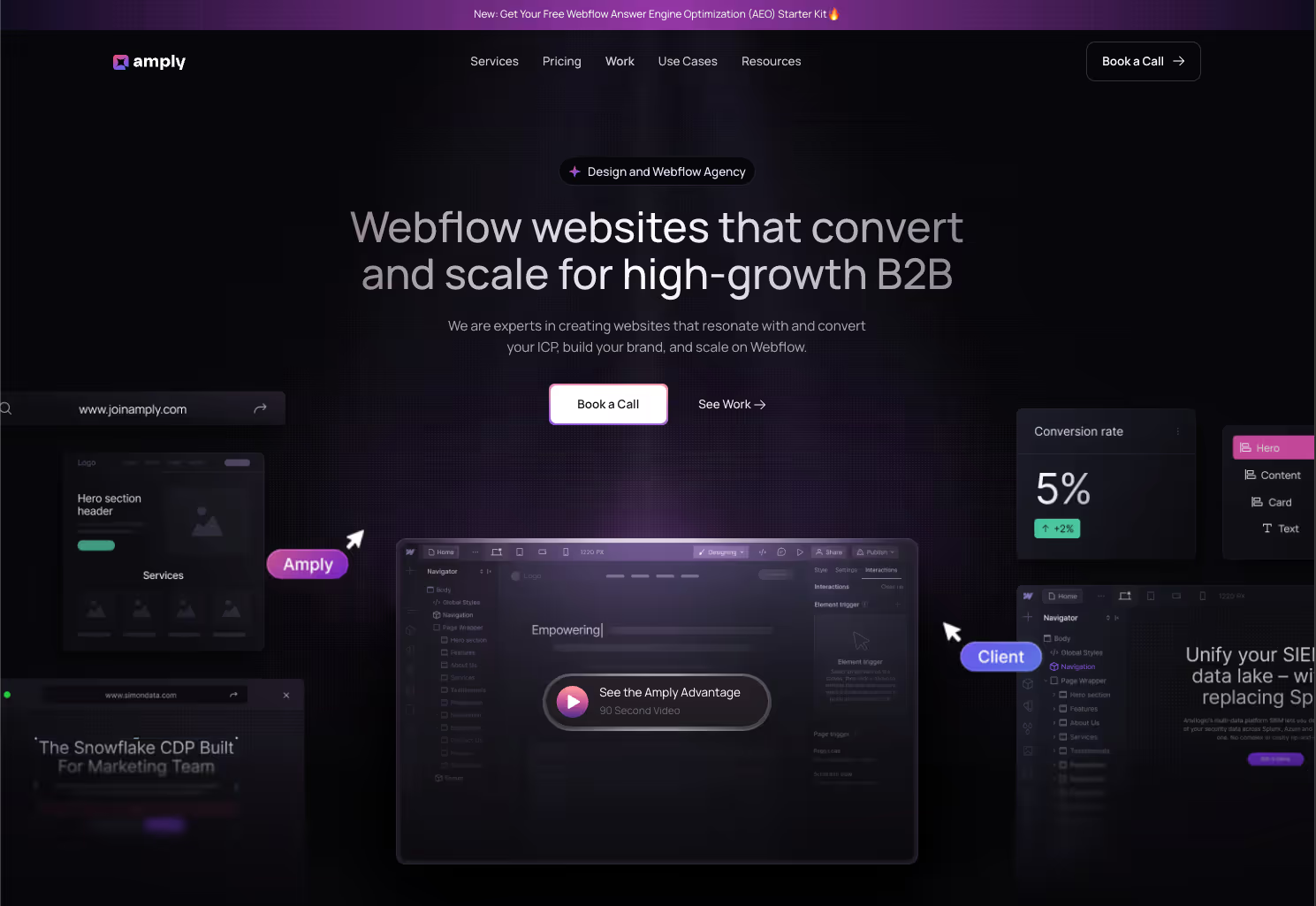
Amply is a Webflow-first agency that works primarily with early-stage and growth-focused startups, particularly teams building B2B or complex products. Their approach is centred on helping startups use their website as a clear, functional growth asset—rather than a one-time design project. Amply’s work typically sits at the intersection of messaging, structure, and Webflow execution, with a strong emphasis on clarity and scalability.
The team focuses on building marketing websites that support real startup use cases like fundraising, demos, and sales conversations. Instead of overengineering, they prioritise systems that are easy to iterate on as positioning and go-to-market strategies evolve.
What they focus on:
Webflow-first design and development for startup marketing sites
Clear messaging, page structure, and buyer journeys
Conversion-focused layouts that support demos and lead generation
Flexible Webflow systems built for iteration and growth
Supporting internal teams post-launch, not just shipping and handing off
Best fit for:
Early-stage to Series B startups
B2B or complex products that require explanation and clarity
Teams that expect their website to evolve alongside product and GTM changes
Founders or marketing leads looking for a long-term Webflow partner rather than a one-off build
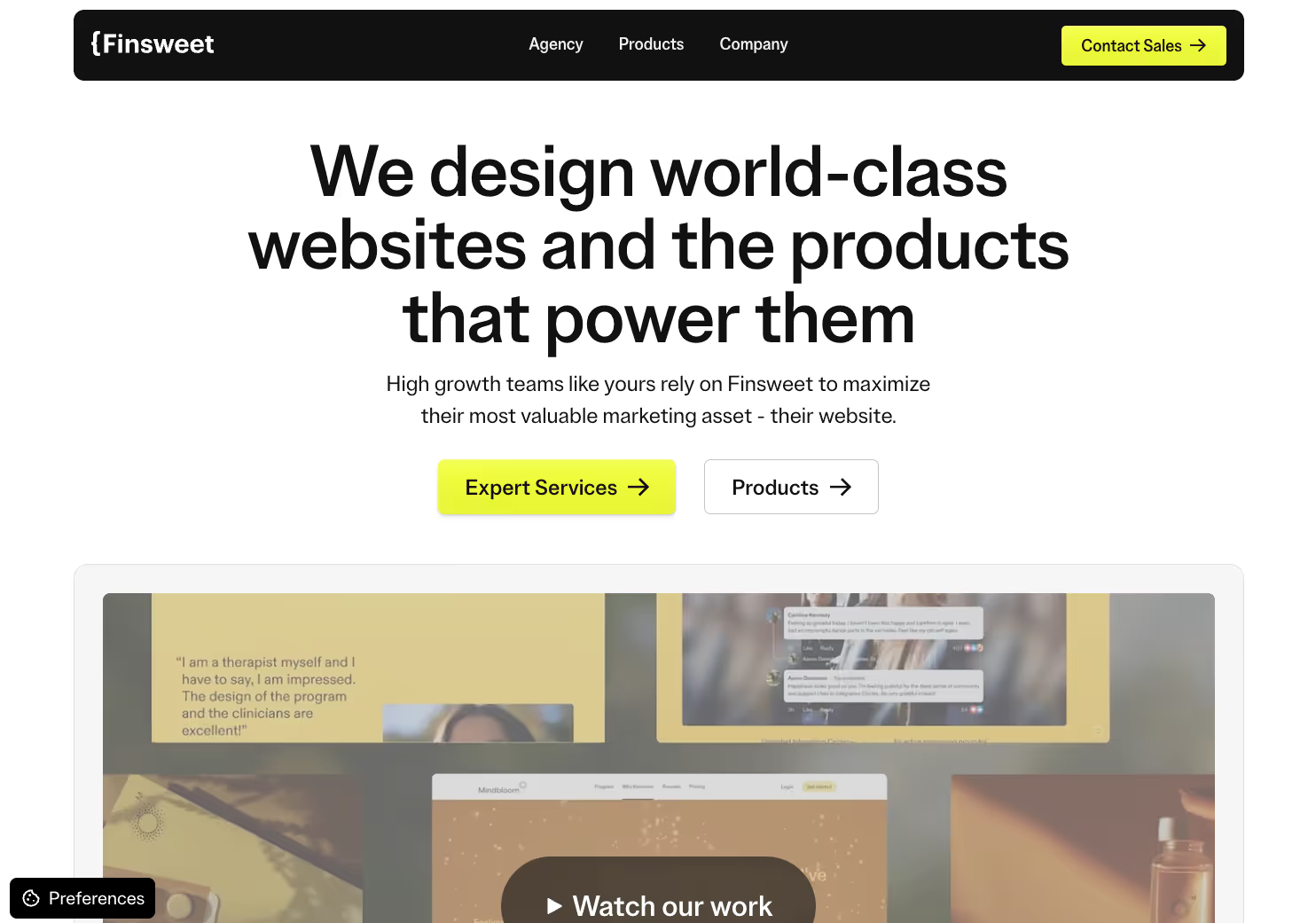
Finsweet is a Webflow-specialist agency best known for its deep technical expertise and system-led approach to building scalable Webflow sites. The team works with startups and fast-growing companies that need more than a visual refresh—particularly those managing complex CMS structures, multi-page systems, or content-heavy marketing sites.
Finsweet’s work is highly engineering-driven. They focus on making Webflow behave more like a flexible product layer, enabling teams to scale content, manage complex logic, and maintain performance as the site grows.
What they focus on:
Advanced Webflow development and CMS architecture
Scalable systems for content-heavy or multi-page websites
Performance, maintainability, and clean technical implementation
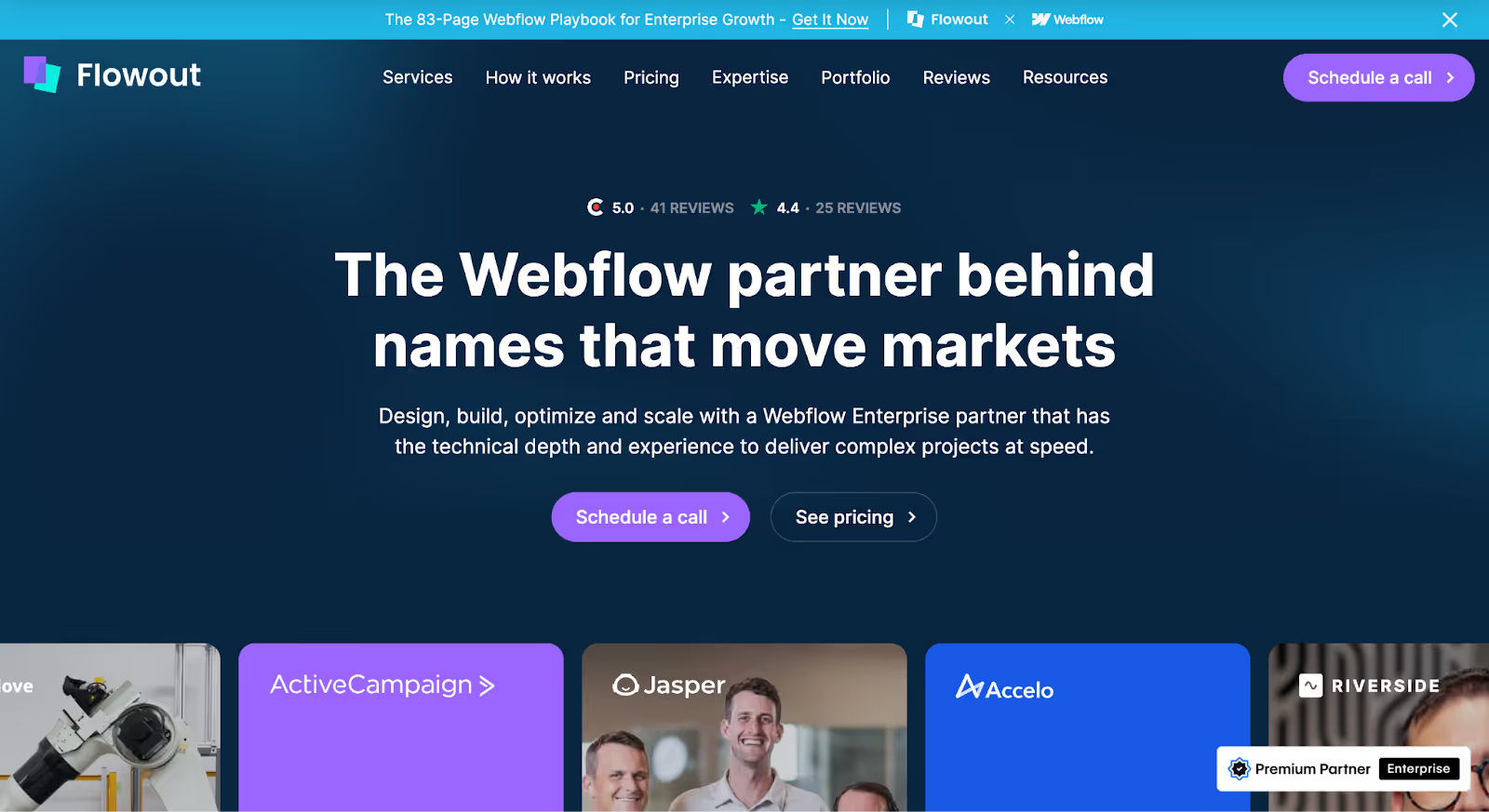
Flowout is a Webflow-focused agency that works with startups and scale-ups looking to move quickly without sacrificing structure. The team is known for its productised approach, offering clear scopes and fast turnaround times making it a common choice for startups that need reliable delivery under tight timelines.
Flowout typically supports marketing teams that want a balance between speed and quality. Their work focuses on shipping clean, functional Webflow sites that are easy to manage internally, rather than over-customised builds that slow teams down later.
What they focus on:
Fast, predictable Webflow design and development
Marketing websites built for clarity and ease of use
Component-based systems that simplify updates and iteration
Collaboration with in-house marketing or growth teams
Clear delivery processes suited to startup timelines
Best fit for:
Early-stage and growth-stage startups needing quick execution
Teams with defined requirements and clear launch goals
Marketing-led organisations that want minimal technical overhead
Startups looking for a dependable Webflow partner without long engagements
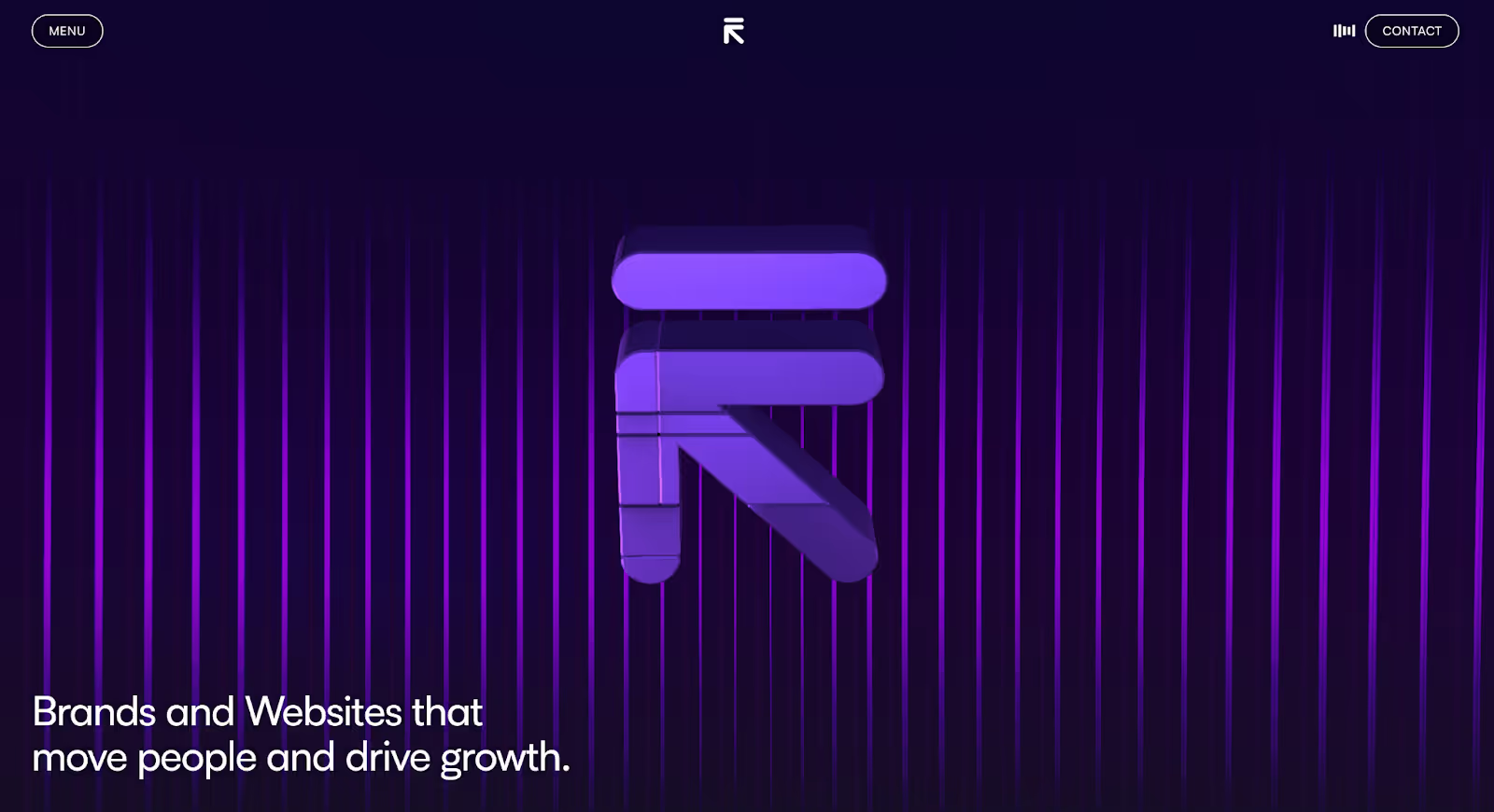
Refokus is a design-led Webflow agency that works with startups and modern digital products where brand, storytelling, and visual impact play a central role. They’re best known for highly polished, animation-rich Webflow sites that help startups stand out in competitive categories.
Refokus tends to work with teams that already have a clear product and positioning, and want their website to reflect a strong brand narrative. Their approach prioritises visual differentiation and interaction design, using Webflow as a canvas for expressive, high-fidelity marketing experiences.
What they focus on:
Design-first Webflow websites with strong visual identity
Motion, interaction, and animation-led experiences
Brand storytelling through layout and visual systems
High-quality Webflow execution with attention to detail
Marketing sites built to differentiate, not just inform
Best fit for:
Design-forward startups with a clear brand direction
Teams in competitive or crowded markets where differentiation matters
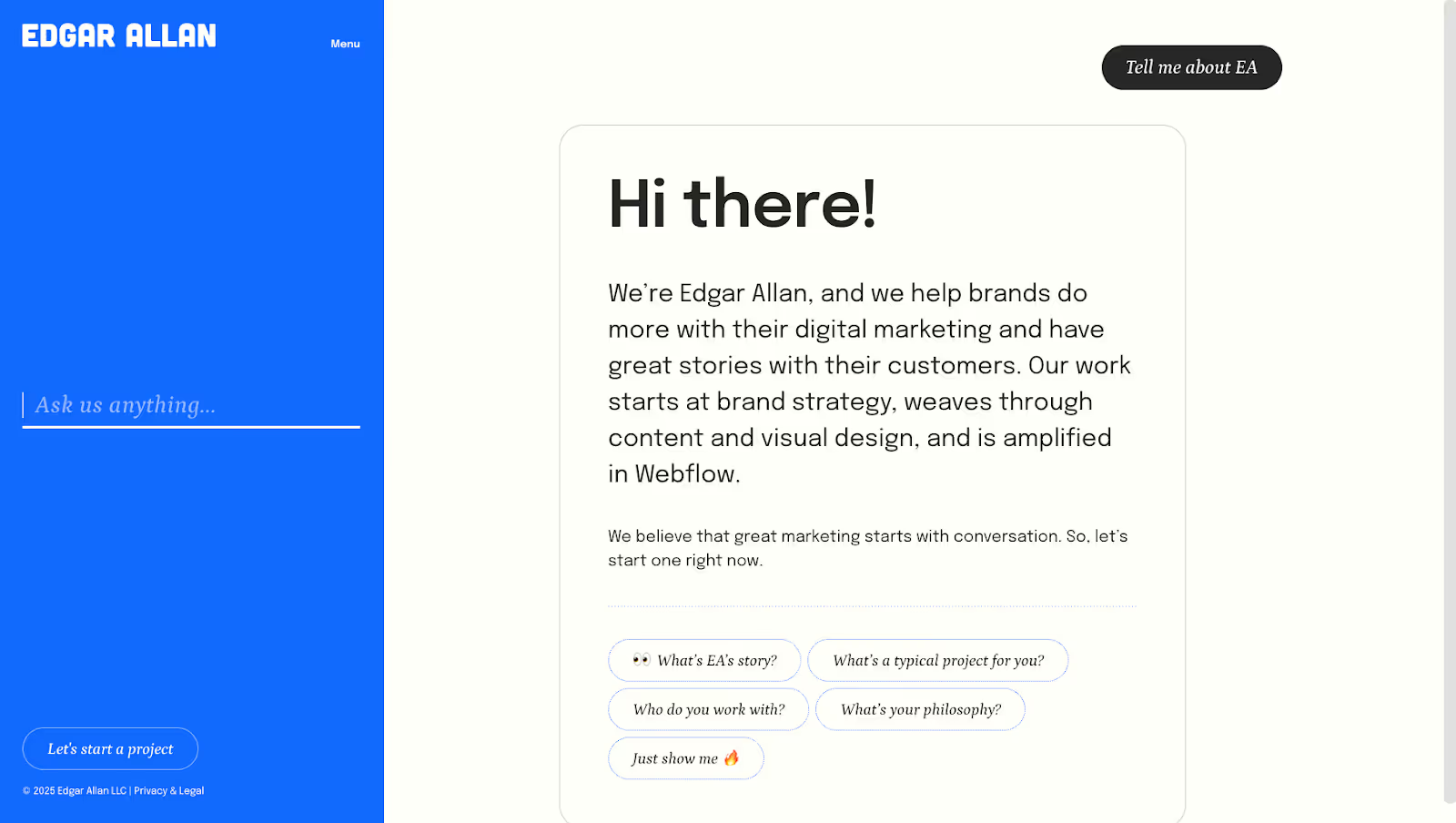
Edgar Allan is a Webflow-first agency that works with startups and scale-ups looking to align brand, messaging, and execution in a single engagement. Their work often sits between strategy and delivery, helping teams translate positioning into structured, conversion-ready Webflow sites.
Edgar Allan typically supports startups that are refining their story—whether post-funding, pre-scale, or ahead of a major GTM push. Their approach balances visual clarity with practical marketing needs, rather than leaning purely toward experimentation or heavy technical builds.
What they focus on
Webflow design and development for marketing-led websites
Translating positioning and brand into clear page structure
Thoughtful layouts that support storytelling and conversion
Clean, maintainable Webflow builds
Collaboration with founders and marketing teams during key transitions
Best fit for
Startups revisiting positioning or messaging
Teams preparing for fundraising, launches, or rebrands
Marketing-led organisations that value structure and clarity
Companies needing a balance between strategy and execution
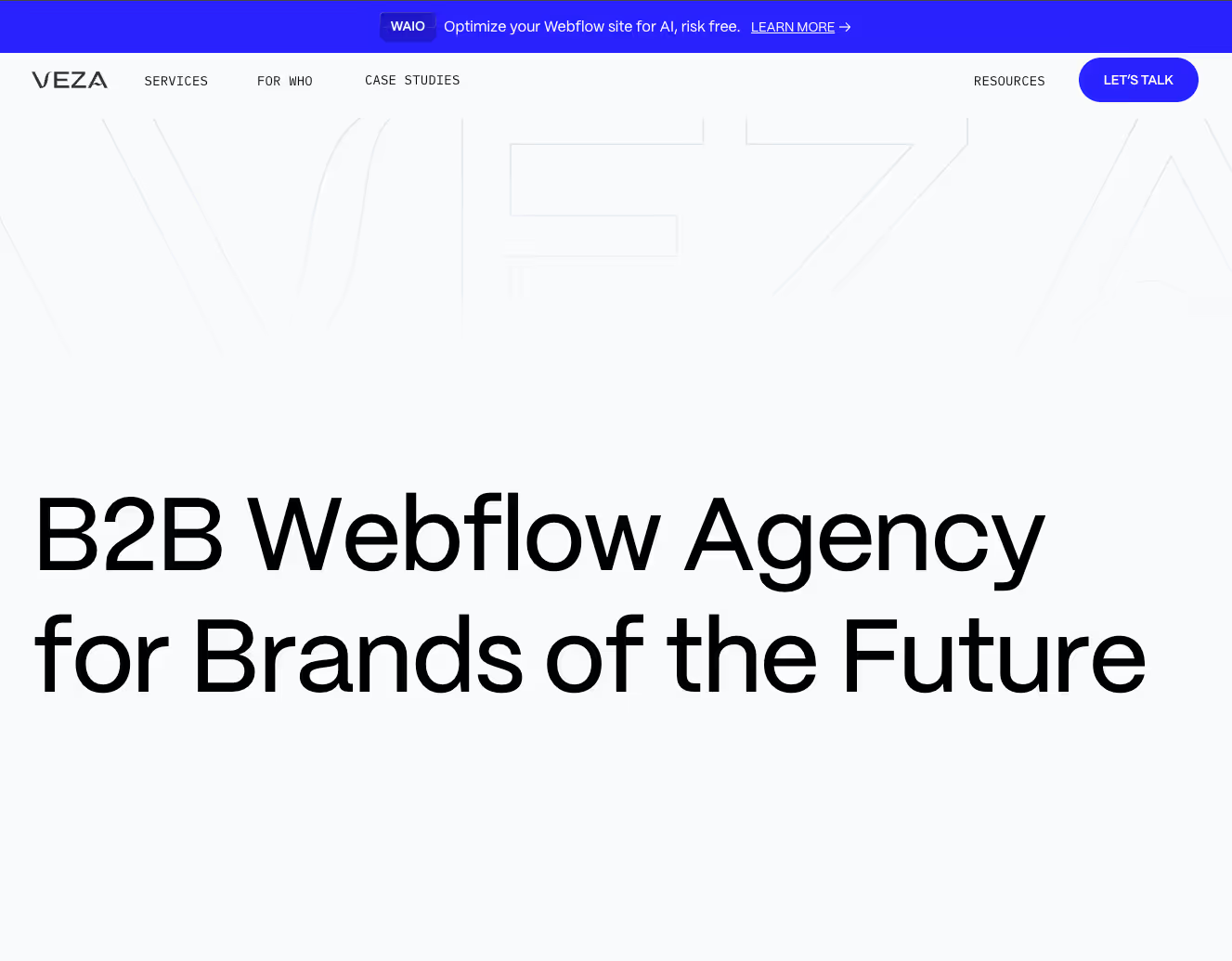
Veza Digital is a growth-focused Webflow agency that combines design, development, and performance marketing under one roof. They work with startups and scale-ups that see their website as a core acquisition channel, not just a brand asset.
Veza Digital’s approach is more commercially driven than design-led. Their Webflow builds are typically tied to SEO, paid acquisition, and conversion optimisation, making them a fit for startups that want measurable outcomes alongside a polished site.
What they focus on:
Webflow design and development aligned with growth goals
SEO- and performance-aware site structures
Conversion optimisation and lead-generation flows
Integration between website, marketing, and analytics
Ongoing optimisation rather than one-time launches
Best fit for:
Startups treating the website as a primary growth channel
Teams investing in SEO or paid acquisition early
Marketing-led organisations focused on measurable ROI
Scale-ups looking to improve performance, not just visuals
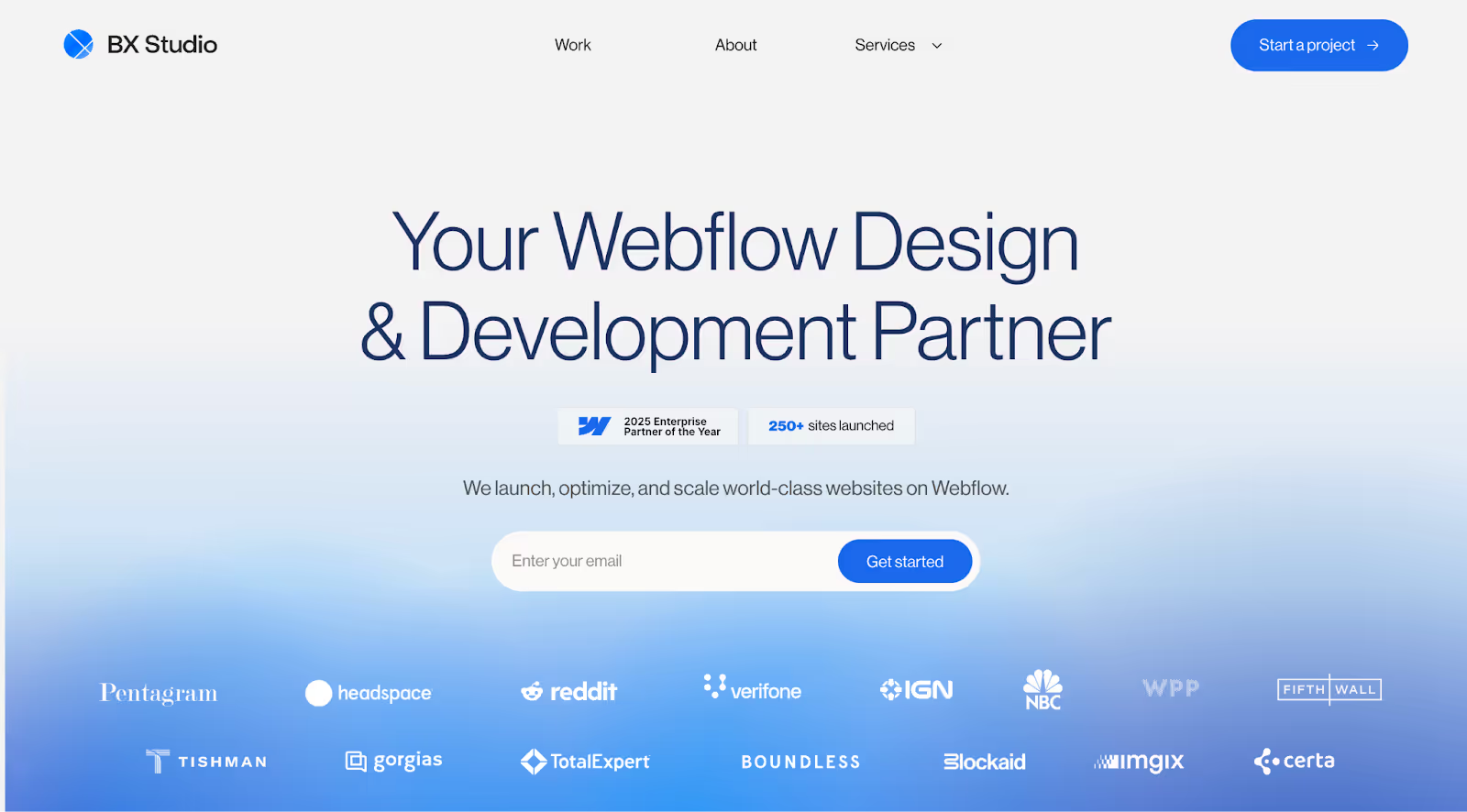
BX Studio is a Webflow-focused agency known for its clean, brand-forward marketing websites for startups and modern tech companies. Their work often sits at the intersection of brand clarity and practical execution, helping teams present a polished, credible presence without overcomplicating the build.
BX Studio typically works with startups that already have a solid product foundation and want a website that communicates trust and maturity. Their Webflow builds emphasise strong layout systems, thoughtful typography, and clear content hierarchy, rather than heavy technical customisation.
What they focus on:
Brand-led Webflow marketing websites
Clear visual systems and structured layout
Translating brand identity into Webflow components
Clean, maintainable builds that are easy to manage
Design consistency across pages and sections
Best fit for:
Startups looking to strengthen brand credibility
Teams with an established visual identity
Marketing-led organisations preparing for growth or fundraising
Companies that want a polished site without excessive complexity
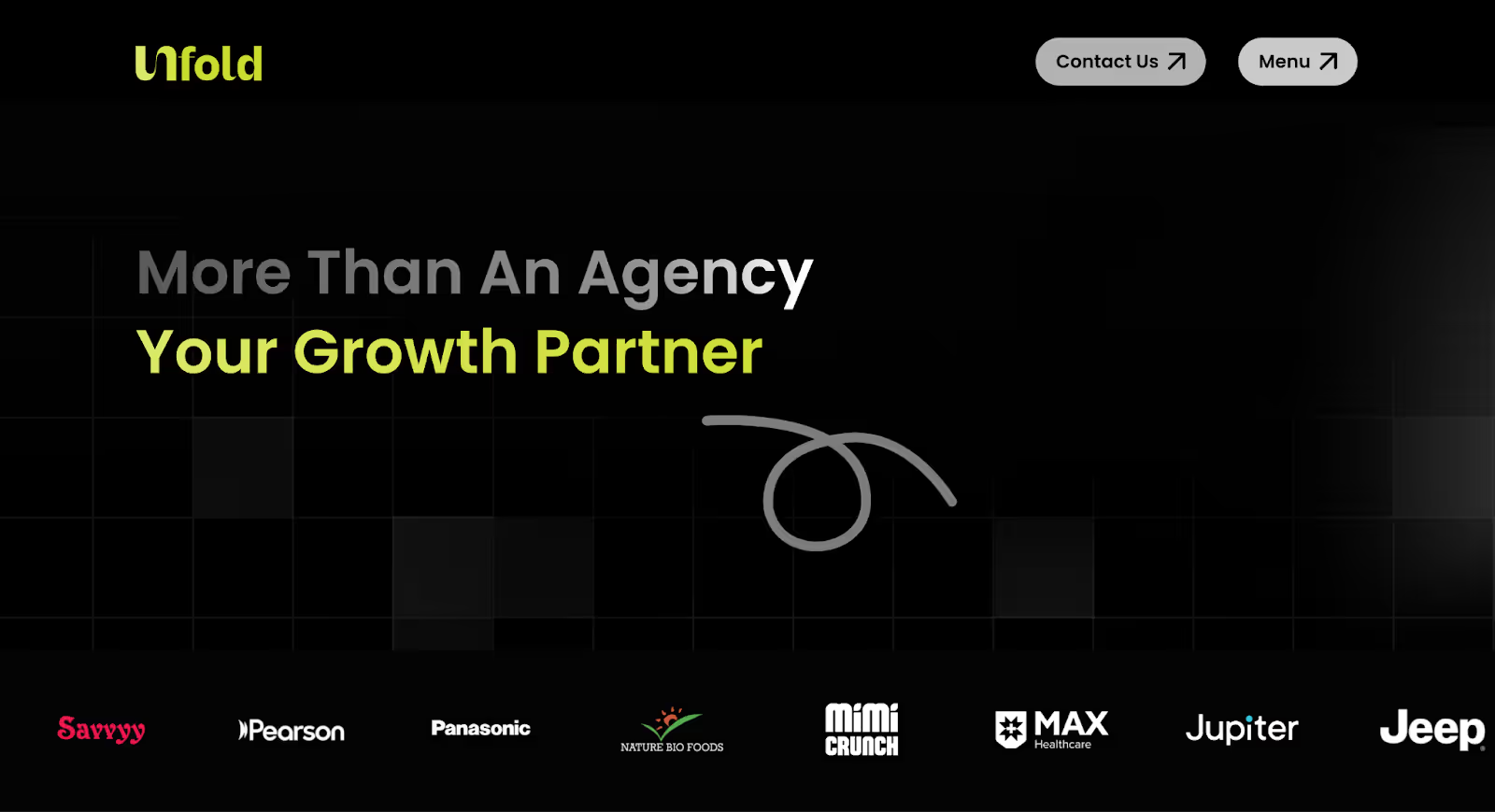
Unfold is a Webflow-first agency that works with startups looking for a balance between speed, structure, and thoughtful design. Their work is typically pragmatic rather than experimental, focusing on helping teams launch clearly and iterate confidently as their product and messaging evolve.
Unfold tends to partner closely with founders and small marketing teams, acting as an extension of the internal team rather than a detached delivery vendor. Their Webflow builds emphasise simplicity, maintainability, and clear communication over complex interactions or heavy custom logic.
What they focus on:
Webflow design and development for startup marketing sites
Clear page structure and content hierarchy
Flexible component systems that support iteration
Close collaboration with founders and small teams
Practical builds that prioritise speed and usability
Best fit for:
Early-stage startups launching or relaunching quickly
Small teams without in-house Webflow expertise
Founders who want a collaborative, hands-on partner
Startups that value clarity and speed over visual experimentation
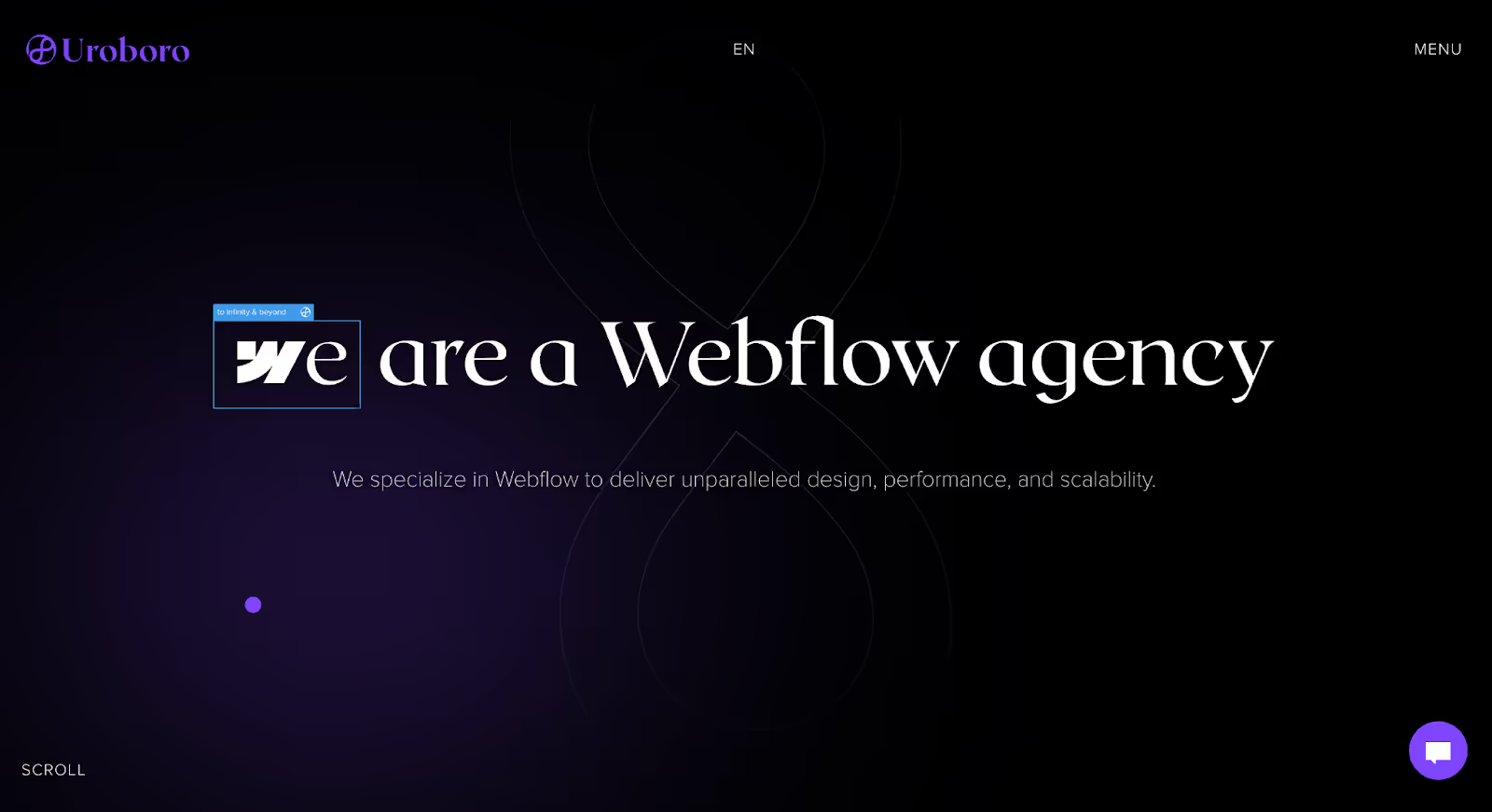
Uroboro is a design-led Webflow studio that works with startups aiming to create distinctive, modern marketing websites without sacrificing structure or clarity. Their work often blends strong visual systems with clear content hierarchy, helping early-stage companies stand out while still communicating value effectively.
Uroboro typically partners with startups that want a more expressive brand presence but don’t want their site to feel experimental or hard to maintain. Their Webflow builds balance creativity with practicality, making them suitable for teams that care about aesthetics but still need a site that supports growth and iteration.
What they focus on:
Design-forward Webflow marketing websites
Strong visual systems paired with clear layout structure
Brand expression through typography, colour, and composition
Clean Webflow builds that remain manageable post-launch
Marketing sites that balance differentiation with usability
Best fit for
Startups looking to stand out visually in competitive markets
Teams with an emerging or evolving brand identity
Marketing-led organisations that value design quality
Founders who want a distinctive site without heavy technical complexity
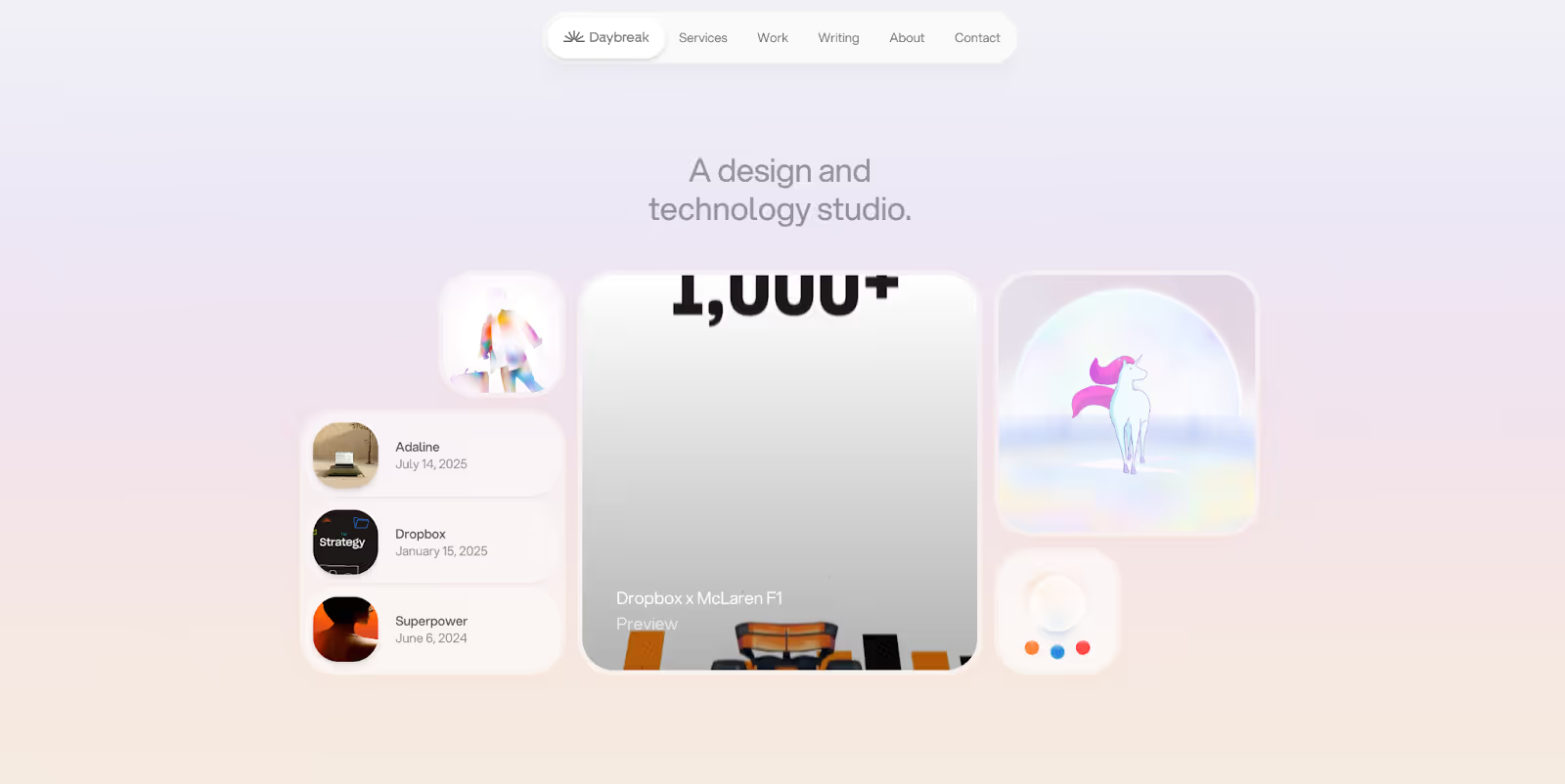
Daybreak Studio is a design-driven Webflow agency that works with startups and growing companies looking to create calm, well-structured marketing websites. Their approach is understated rather than flashy, focusing on clarity, hierarchy, and content flow instead of heavy animation or experimental interactions.
Daybreak Studio often supports teams that want a thoughtful, editorial-style website that communicates credibility and purpose. Their Webflow builds emphasise readability, pacing, and structure making them suitable for startups that care about how their story is told, not just how it looks.
What they focus on:
Design-led Webflow marketing websites
Clear content hierarchy and readable layouts
Editorial-style storytelling and pacing
Clean, maintainable Webflow builds
Visual restraint over trend-driven design
Best fit for:
Startups with a strong narrative or mission-led positioning
Teams that value clarity and tone over visual intensity
Founders preparing for fundraising or public-facing launches
How to Choose the Right Webflow Agency for a Startup
Having a list of strong agencies is only half the decision. The harder part is understanding which one fits your stage, team, and priorities right now. Startups rarely need “the best agency overall”, they need the right partner for where the business is today.
This section is designed to help you move from comparing options to making a confident decision.
1. Prioritise startup-ready processes over polished enterprise workflows
Many agencies say they work with startups, but their processes are designed for much larger organisations. This usually shows up in long timelines, rigid phases, and an expectation that messaging, positioning, and requirements are already final.
A startup-ready Webflow agency should be comfortable working with ambiguity. They should be able to explain how they handle shifting priorities, incomplete inputs, and fast feedback loops without slowing momentum. If their process relies heavily on locked scopes or extended approvals, it often creates friction once things inevitably change.
2. Understand how they think about content and structure, not just visuals
For startups, design alone rarely fixes website problems.
A strong agency should be able to clearly explain how they decide what information belongs on key pages, how they structure content so visitors understand the value quickly, and how they handle complex products without overwhelming the reader. These decisions matter far more than visual polish.
If content and structure are treated as something you need to fully provide upfront, the end result may look good but still fail to communicate clearly or convert effectively.
3. Make sure their core work is marketing websites, not just Webflow builds
Not all Webflow work serves the same purpose.
Startup websites are primarily marketing tools. They speak to people who are not yet users, help address uncertainty or objections, and guide visitors toward actions like booking a demo or signing up. Agencies that focus mainly on internal tools, dashboards, or purely technical builds often struggle to shift into this mindset.
What matters is whether the agency understands how a website supports growth, not just how it is implemented in Webflow.
4. Pay attention to how they think about user decisions
Effective startup websites are designed around decisions, not pages. A strong Webflow agency should be able to explain how different pages support different levels of intent, how calls-to-action fit naturally into the flow of the site, and how the website reduces friction in sales conversations or founder-led demos. These choices are what turn traffic into momentum rather than passive interest.
For B2B and SaaS startups in particular, those decisions don’t stop at on-page behaviour. They’re closely tied to search visibility and long-term acquisition, where clarity, structure, and intent alignment directly affect who arrives on the site in the first place. We’ve explored this relationship in more detail in our guide to the top Webflow SEO agencies for B2B and SaaS, which looks at agencies through a performance and growth lens.
When agencies focus primarily on layout, animations, or components without connecting those choices back to outcomes, it’s often a sign that conversion and usability are secondary concerns rather than core priorities.
5. Ask how the site is meant to change after launch
For startups, a website is rarely finished. Products evolve, messaging sharpens, and new priorities emerge, which means the site needs to be built with change in mind. A strong Webflow agency plans for this by creating systems that are easy to update, giving internal teams confidence to manage content, and structuring the site so iteration feels expected rather than disruptive.
If post-launch evolution isn’t part of the conversation, the site often becomes harder to work with just as the business gains traction. In practice, iteration usually starts with testing, refining what’s already live instead of rebuilding from scratch. Our article on Webflow A/B testing best practices shows how teams can reliably iterate Webflow sites while maintaining momentum.
6. Choose for your current stage, not your aspirational one
It’s tempting to hire agencies that are built for much larger companies. For many startups, this leads to unnecessary complexity, higher costs, and slower progress.
A better approach is to choose a partner that fits where the company is today. Early-stage teams benefit most from speed and clarity. Growing startups need structure that can scale without locking them in. More mature teams can focus on refinement and optimisation.
The right Webflow agency helps you move forward at your current stage, rather than designing for a version of the company you haven’t reached yet.
Common Mistakes Startups Make When Hiring Webflow Agencies
Hiring the wrong Webflow agency doesn’t usually fail loudly. The site launches on time, looks polished, and checks all the boxes yet momentum slows instead of improving. Sales conversations stay complicated, updates feel risky, and the website quietly becomes a bottleneck.
In most cases, this comes down to avoidable mistakes made during agency selection. Recognising them early can save months of friction and prevent costly rework later.
1. Hiring agencies built for larger companies too early
One of the most common mistakes startups make is hiring agencies optimised for enterprise work. These teams often deliver high-quality output, but their processes assume long timelines, stable messaging, and large internal teams.
For early-stage startups, this usually results in slower progress, heavier builds, and unnecessary complexity. What looks impressive on launch day can quickly become difficult to update or adapt as the business evolves.
2. Prioritising visual polish over clarity and usefulness
Strong visuals matter, but they don’t solve the core problems startup websites face.
When design is prioritised without equal attention to messaging, structure, and flow, the site may look refined while still leaving visitors confused. This often shows up in sales calls where founders or sales teams have to explain what the company does despite having a “finished” website.
Clarity almost always has a bigger impact than visual sophistication at early stages.
3. Treating the website as a one-time project
Many startups approach a website as something to “get done” rather than something that evolves.
This mindset often leads to rigid builds that are difficult to change post-launch. As products, pricing, or positioning shift, teams find themselves constrained by the very site that was meant to support growth.
A startup website should be designed as a living system, not a final deliverable.
4. Underestimating the importance of internal ownership
Another common issue is handing over full control to an agency without thinking about what happens afterward.
If internal teams can’t easily update content, add pages, or adjust messaging, even small changes become slow and expensive. Over time, this creates dependency and discourages iteration, exactly the opposite of what startups need.
Good Webflow builds should empower internal teams, not lock them out.
5. Choosing based on reputation instead of fit
It’s easy to be influenced by well-known names, awards, or high-profile clients. While these signals can indicate quality, they don’t guarantee alignment with your stage or needs.
The best agency for a large, established company is not always the best choice for a startup navigating uncertainty. How the agency works, what they prioritise, and how they handle change matters far more than reputation alone.
6. Avoiding hard conversations early
Finally, many issues stem from not asking difficult questions upfront.
Startups sometimes avoid discussions around scope flexibility, iteration, ownership, or post-launch support to keep projects moving. These gaps often surface later, when changes become harder and more expensive.
Clear expectations early on prevent frustration on both sides.
Final Thoughts
Most startups don’t need a “better-looking” website, they need a website that stops getting in the way. When the site clearly explains the product, supports sales conversations, and can evolve without friction, it becomes a genuine growth asset rather than something the team has to constantly workaround.
The agencies in this list all bring strong Webflow expertise, but the right choice depends on fit, not reputation. Some teams excel at speed, others at brand expression, systems, or performance. What matters most is choosing an agency that understands your stage, is comfortable with iteration, and builds websites designed to change as your startup grows.
For teams that want a Webflow partner focused on clarity, conversion, and long-term usability, Amply works with early-stage and growing startups to design marketing websites that support real-world growth, not just launch-day polish. If you want to see how that approach works in practice, Amply’s Webflow design services page outlines how startup websites can be planned, built, and evolved with growth in mind.
Get your Webflow SEO Google sheet checklist
Short description on the benefits or value you’ll get from using this checklist
Organizes SEO tasks for efficiency
Simplifies keyword tracking and management
Ensures consistent on-page optimization efforts
Thank you! Your submission has been received!
Oops! Something went wrong while submitting the form.
Frequently Asked questions
What makes a Webflow agency a good fit for startups?
How much should a startup expect to invest in a Webflow agency?
Should startups choose a design-led or conversion-focused Webflow agency?
How is Amply different from other Webflow agencies for startups?
What other services does Amply provide?
About the Author
Rajat Kapoor
Copywriter, marketer, and Webflow developer. Rajat focuses on crafting clear, SEO-focused copy for scaling B2B brands.
A curated list of the best Webflow agencies in the US. Compare Webflow-first teams, see who they are best for, and learn how to choose the right agency.
Looking for a reliable Webflow development agency? We’ve curated the best Webflow development agencies based on real build depth, CMS structure, scalability, and long-term support.
A curated list of the best B2B web design agencies, with guidance on how to choose the right partner for complex products, long sales cycles, and lead-focused growth.
Rajat Kapoor
8
min
Our Portfolio
Explore Our Resource Collections
Amply Academy
Learn Web design, webflow, and web design best practices, all tailored to help you grow your B2B business



.avif)


.avif)